Amazon's New Satellite Internet Is Here, and It's Fast
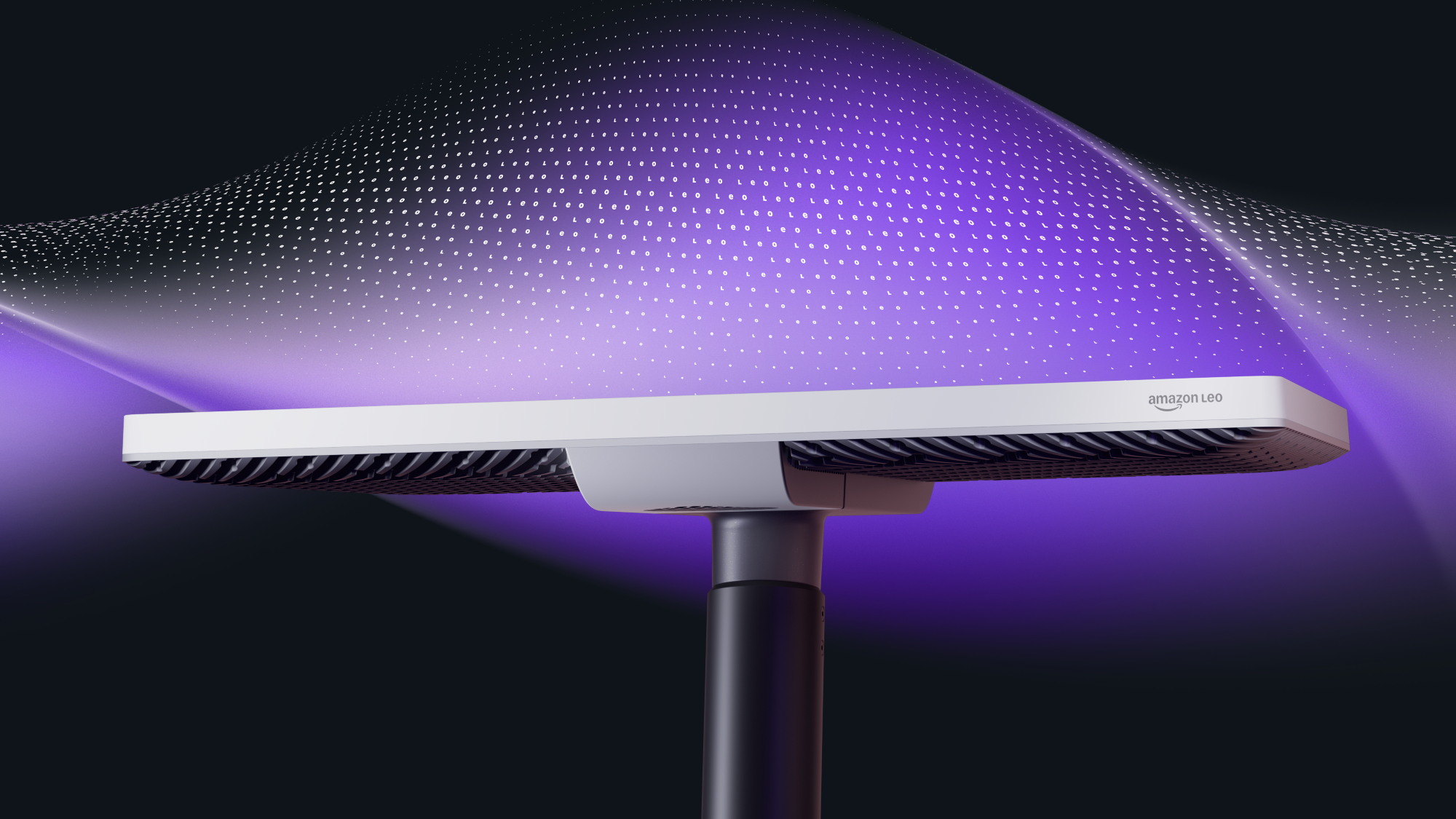
Amazon just announced major updates to its satellite internet project, now called Amazon Leo. The company has over 150 satellites in orbit and is getting ready to start serving business customers.
Built for Businesses, Not Homes
Amazon Leo is designed for businesses and organizations in areas without reliable internet access. That includes oil rigs, remote farms, shipping operations, and similar locations where running traditional cables isn't practical. The service isn't aimed at home users right now.
The Leo Ultra Antenna: 1 Gbps from Space
The centerpiece of the announcement is a new antenna called Leo Ultra. It delivers download speeds up to 1 Gbps and upload speeds up to 400 Mbps, making it the fastest commercial satellite antenna currently in production.
For context, 1 Gbps is faster than most home internet connections in America. It's enough bandwidth to:
- Stream dozens of 4K videos simultaneously
- Support large office buildings with hundreds of employees
- Handle real-time data transmission for industrial operations
- Download a 5 GB file in about 40 seconds
The hardware is built to withstand harsh conditions including extreme temperatures, heavy rain, snow, and strong winds. It has no moving parts, which should help with reliability and make installation easier.
Early Customers Already Testing
Several companies have already signed on:
- JetBlue plans to use the service for in-flight Wi-Fi
- Hunt Energy is testing it for remote energy operations
- Connected Farms is exploring agricultural applications
- Crane Worldwide Logistics is evaluating it for supply chain connectivity
One feature that appeals to business customers is the ability to connect directly to Amazon's cloud services (AWS) without data passing through the public internet, which adds a layer of security.
What's Next for Amazon Leo
For now, Amazon Leo is only available through a preview program for select business customers. The company is shipping antennas to these early users to gather feedback before a wider rollout next year.
Amazon has more than 80 additional rocket launches planned to expand the satellite network, with the next launch scheduled for December 15. The company is clearly making a major investment in satellite internet infrastructure.
How Does It Compare to Other Satellite Internet?
Compared to other satellite internet services:
- Starlink (SpaceX) offers residential plans with speeds of 25-220 Mbps and business plans up to 350 Mbps
- Traditional satellite (like HughesNet) typically maxes out at 25-100 Mbps
- Amazon Leo Ultra targets 1 Gbps for business customers
The key advantage is speed. At 1 Gbps download, Amazon Leo matches or exceeds many fiber-optic connections, which is remarkable for satellite technology.
Should You Wait for Amazon Leo?
If you're a home user, Amazon Leo isn't targeting you yet. For residential internet needs, check out our top 10 fastest internet providers or use our bandwidth calculator to find the right speed for your household.
For businesses in remote locations, Amazon Leo could be a game-changer. The combination of gigabit speeds, direct AWS connectivity, and rugged hardware makes it compelling for operations where traditional internet isn't available.
Whether satellite internet becomes a major player in business connectivity remains to be seen, but Amazon is clearly betting big on it.
Want to compare internet speeds? Check out our complete guide to America's fastest internet providers or use our calculator to determine what speed you actually need.